Choosing the Right Siding Material for Your Building
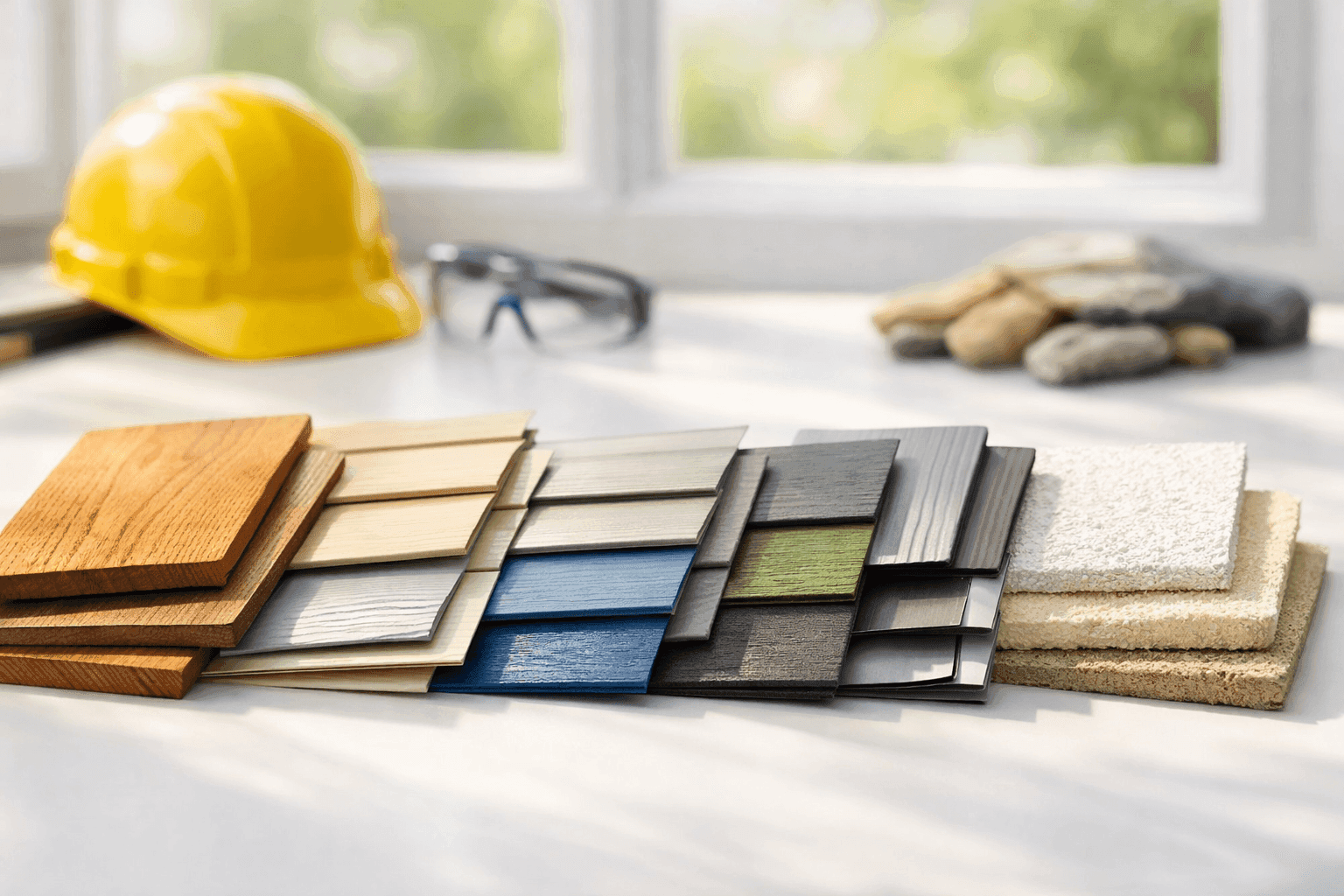
When you need new siding, the decision can feel like standing at a crossroads. Each path—vinyl, wood, fiber cement, metal, or stucco—leads to a different destination for your home or building. At POM Siding, we know this isn’t just a cosmetic choice. The siding you select shields your investment from weather, shapes your curb appeal, and impacts future maintenance.
Let’s break down your options, so you can make a confident, informed choice that stands the test of time—and the next storm.
Popular Siding Materials
When it comes to siding, there’s no one-size-fits-all. Each material brings its own character and challenges. Here’s a quick tour of the most common choices:
- Vinyl Siding: The go-to for many homeowners. Lightweight, colorful, and budget-friendly.
- Fiber Cement Siding: A strong, modern blend of cement, sand, and cellulose. Mimics wood grain with less upkeep.
- Wood Siding: Timeless and naturally beautiful. Think cedar shakes or classic clapboards.
- Metal Siding: Steel or aluminum panels, often used in commercial buildings or modern homes.
- Stucco Siding: A textured, plaster-like finish with roots in Mediterranean and Southwestern style.
Each option has its unique personality. Some are chameleons, taking on the look you want. Others are steadfast, always true to their form.
Pros and Cons of Each Type 🏗️
Every siding material brings strengths and tradeoffs. Here’s what to weigh as you consider your property’s needs.
Vinyl Siding
Pros:
- Budget-friendly and widely available
- Low maintenance—just wash occasionally
- Many colors and styles
Cons:
- Can crack in extreme cold or fade over time
- Not as impact-resistant as other materials
- May look less “high-end” than wood or fiber cement
Fiber Cement Siding
Pros:
- Fire-resistant and tough against weather
- Mimics wood without rot or termites
- Holds paint well
Cons:
- Heavier, needs pro installation
- Pricier than vinyl
- May require repainting after years
Wood Siding
Pros:
- Classic, warm, and authentic
- Can be painted or stained any color
- Renewable resource
Cons:
- Needs regular sealing/painting
- Susceptible to rot, insects, and fire
- More expensive to install and maintain
Metal Siding
Pros:
- Resists fire, insects, rot, and hail
- Sleek, modern look
- Highly durable
Cons:
- Can dent or scratch
- Prone to rust if not properly coated
- Limited colors/styles compared to vinyl
Stucco Siding
Pros:
- Durable with proper care
- Excellent insulator in dry climates
- Unique, textured appearance
Cons:
- Cracks can develop if foundation shifts
- Not ideal for wet climates
- Installation can be labor-intensive
Matching Material to Your Needs
The best siding should fit your life like a well-tailored coat. Think about:
- Climate: Wood can warp in damp regions. Metal resists wild weather but may not suit salty coastal air.
- Budget: Vinyl is wallet-friendly. Fiber cement and wood are investments.
- Style: Match your building’s architecture. Stucco for Mediterranean, wood for cottage charm, metal for city slickers.
- Maintenance: How much time do you want to spend? Vinyl and metal need the least. Wood asks for seasonal attention.
If you’re not sure, book a siding material consultation to walk through options with a pro.
Sustainability and Durability 🌱
Siding is your property’s armor. But it’s also your chance to make an eco-friendly choice.
- Vinyl: Long lifespan, recyclable, but made from PVC.
- Fiber Cement: Made from abundant materials, resists pests and fire, lasts decades.
- Wood: Renewable and biodegradable, but needs careful sourcing (look for FSC-certified wood).
- Metal: Often recyclable, very long-lasting, but energy-intensive to produce.
- Stucco: Durable when installed right, but less sustainable if frequent repairs are needed.
If minimizing your environmental footprint matters, consider our eco-friendly siding options.
What to Look for in a Siding Consultation
Talking with a pro is like getting a weather report before planning your trip. A good consultation should cover:
- Your building’s age, style, and needs
- Energy efficiency goals
- Local climate and weather patterns
- HOA or code requirements (see resources like International Residential Code)
- Maintenance expectations
Bring questions. The more you share, the better the fit.
Safety and Building Codes: Don’t Skip This Step
Every siding project should follow local building codes and safety requirements. This isn’t just paperwork—it’s protection for your investment. For example, fire resistance is key in wildfire-prone areas, while wind resistance matters in tornado zones. Reference the International Building Code for general guidelines or check with your local permitting office.
Siding Performance: How Much Does It Matter?
Performance isn’t just numbers on a spec sheet. It’s the difference between siding that weathers a hailstorm and siding that splits at the first sign of trouble. Look for:
- Impact resistance (especially in hail-prone regions)
- Fire ratings (critical for some insurance policies)
- Moisture protection (proper flashing and sealing are key)
If you suspect your siding is failing, request a siding inspection to stay ahead of costly repairs.
Lifespan and Long-Term Value
A penny saved isn’t always a penny earned if you’re replacing siding too soon. Here’s an average lifespan breakdown:
- Vinyl: 20–40 years
- Fiber cement: 30–50 years
- Wood: 15–30 years (with diligent care)
- Metal: 40+ years
- Stucco: 50+ years (with proper maintenance)
Ask about warranty services and what’s covered before you commit.
Maintenance: Real World Tips
No siding is truly “set and forget.” Keep yours looking sharp with these habits:
- Wash vinyl or fiber cement with a garden hose once or twice a year
- Repaint wood, fiber cement, or metal every 5–10 years
- Inspect for cracks, warping, or loose panels after storms
- Clear gutters and soffits to prevent water damage
Need help? Search for “Soffit and Fascia Repair near you” or gutter services to keep the whole system working together.
Siding and Energy Efficiency
Siding isn’t just about looks—it’s about comfort and costs, too. The right material plus proper insulation can slash energy bills. Consider adding insulation during your siding replacement or new construction siding project.
Decision Matrix: How to Compare at a Glance
When you’re ready to choose, run each material through this quick checklist:
- Does it fit your budget?
- Will it withstand your local climate?
- How much maintenance can you handle?
- Does it complement your building’s style?
- Is it eco-friendly enough for your goals?
- What’s the expected lifespan?
- Are you meeting local codes and HOA rules?
Score each material for your priorities. The top choice will stand out.
Siding for Residential vs. Commercial Buildings
Residential homes often prioritize curb appeal and warmth. Commercial buildings may demand durability, fire resistance, and ease of cleaning. At POM Siding, we tailor solutions for both. Whether you own a cozy bungalow or a busy storefront, we’ll help you match your needs with the right material.
When to Call a Professional
DIY can be tempting, but siding is not just about nailing panels to a wall. It’s about waterproofing, flashing, ventilation, and code compliance. If in doubt, reach out for a siding consultation to protect your investment.
Common Mistakes to Avoid
- Skipping the moisture barrier
- Ignoring ventilation for soffits and fascia
- Using the wrong fasteners (can void warranties)
- Forgetting to check local codes or HOA guidelines
- Waiting too long to repair damage
A little prevention now saves a lot of headaches later.
For Commerce City Siding Projects
Looking for reliable siding installation or repair for your property? See how our full range of siding services for Commerce City siding projects can help restore and protect your investment.
Ready to Get Started?
Siding is the shield your building wears every day. Whether you’re upgrading, repairing, or building new, the right choice makes all the difference.
Call POM Siding now — or reach us anytime at 888-870-1065 .