How to Choose the Perfect Siding Color
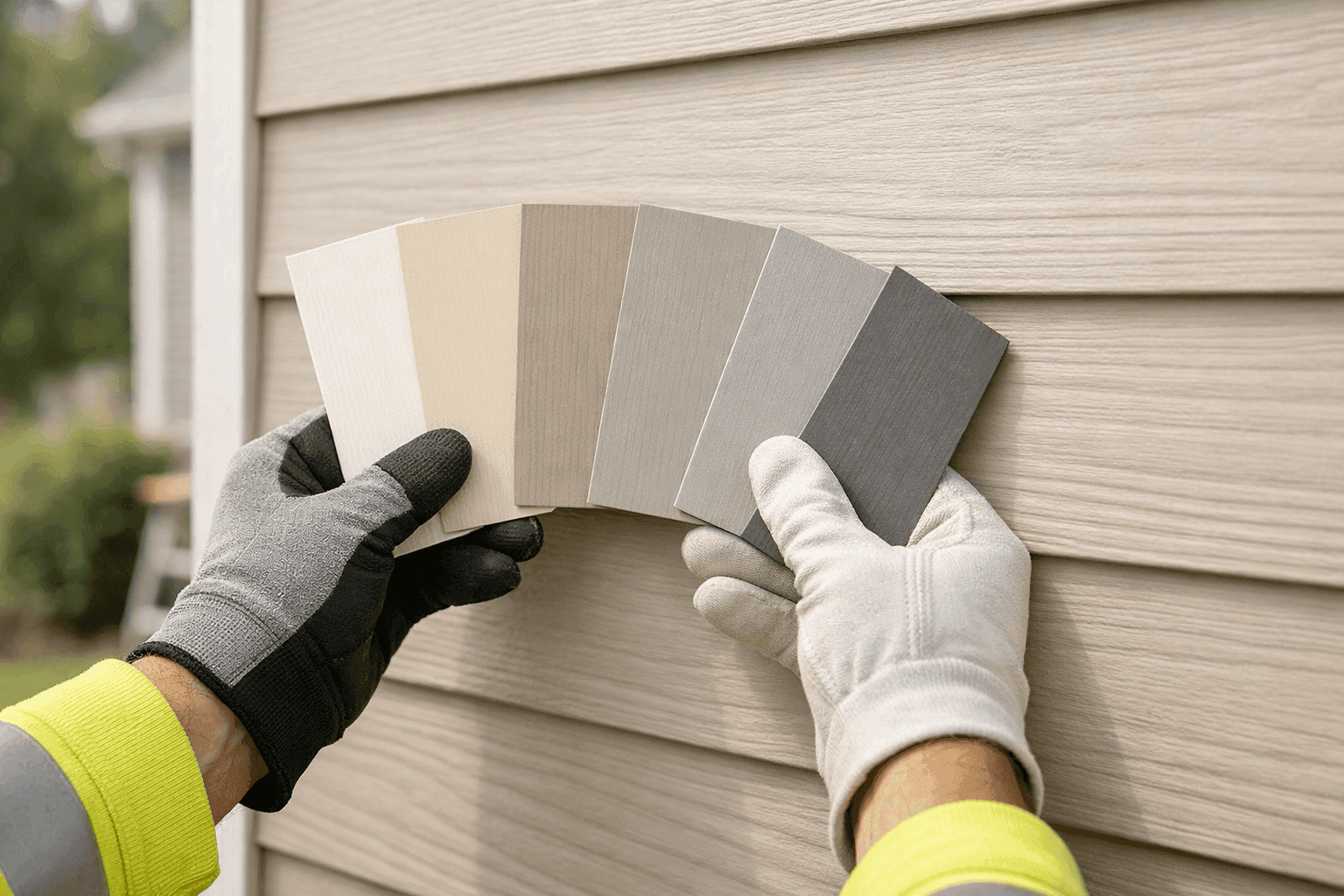
When you look at your home or business, does the siding color make your heart skip—or just blend into the background? Choosing the right siding color is a big decision. It’s about personality, style, and even protection against the elements. At POM Siding, we know this choice can feel overwhelming, but you’re not alone.
Whether you’re building new, updating, or repairing storm damage, the right color sets the stage for everything else. Let’s break it down, step by step, so you can feel confident from the first color chip to the final reveal.
Color Trends in Siding 🎨
Every year, siding color trends shift, echoing changes in architecture, lifestyle, and even the climate. Recently, earth tones have taken center stage: think warm taupe, mossy green, and deep slate. These hues blend naturally with most landscapes and age gracefully.
Bold colors, like navy or charcoal, are also gaining ground. They create a striking contrast with white trim and modern metal accents. Prefer timeless over trendy? Classic whites and soft grays never go out of style.
But trends are just a starting line—not the finish. Before you settle on a color, consider how it will look year after year, not just this season.
Factors to Consider: Light, Surroundings, and Style
Your siding color doesn’t live in a vacuum. It’s shaped by everything around it.
- Light: Sunlight changes everything. A color that looks subtle on a gray day might glow under bright sun. North-facing walls tend to look cooler, while southern exposures warm up colors.
- Surroundings: Are you nestled in the woods, surrounded by brick neighbors, or facing open sky? Take cues from nature and nearby homes. Your siding should harmonize—not clash—with its setting.
- Architecture: Some colors flatter certain styles. Farmhouses shine in crisp whites and sky blues. Craftsman homes love sage greens and rusty reds. Modern builds often pair well with cool grays or dark, dramatic tones.
Ask yourself: does the color echo your personality and your property’s history? A little reflection here goes a long way.
How to Test Colors
Paint chips and digital previews are just the start. Here’s how to get closer to the real thing:
- Order Large Samples: Get big siding swatches or panels—at least 12" x 12". Tape them to different walls.
- Check at Different Times: See how the color looks in morning, noon, and evening light. Cloudy days matter too.
- Stand Back: View from the sidewalk or street. What pops up close might disappear at a distance.
- Test with Trim: Hold up trim and accent samples. The combination can change your first impression.
Some homeowners even paint a small area of old siding or use removable color panels. The more you see, the surer you’ll be.
Boosting Curb Appeal
The right siding color can turn a house into a head-turner and make a business look inviting. Think of it as curb appeal’s secret sauce.
- Contrast: Pair light siding with dark trim, or vice versa, for instant definition.
- Accent Areas: Use a bold color for gables, dormers, or entryways to draw the eye.
- Consistency: Tie in gutter, soffit, and fascia colors for a polished look. (Find Soffit and Fascia Repair near you to keep those details sharp.)
A fresh, well-chosen color doesn’t just look good—it adds value. According to the National Association of Realtors, great curb appeal can increase property value by up to 7%. That’s no small change.
Seasonal Considerations
Winter snow makes light colors sparkle. Summer sun can fade brights faster than you’d think. Consider your local climate and the seasons you love most.
- Hot climates: Lighter colors reflect heat, keeping interiors cool and siding materials stable.
- Cold climates: Deeper hues resist grime and blend well with bare trees.
Factor in how color ages with weather and time. Fiber cement and vinyl siding hold color longer than wood or stucco.
Common Mistakes to Avoid
- Ignoring the roof: A mismatched roof and siding can feel “off.” Make sure they sing together, not compete.
- Forgetting the landscape: Will your garden bloom in reds and purples? Avoid siding that clashes with your favorite plants.
- Falling for fads: Today’s hot color might be tomorrow’s regret. Lean classic if you plan to stay long-term.
Siding Material Matters
Not all colors work with every material. Stucco absorbs paint differently than metal or fiber cement. Vinyl siding comes pre-colored; changing it later can be tricky.
At POM Siding, we guide you through choices for fiber cement, metal, stucco, wood, and vinyl (see National Association of Home Builders for material-specific advice). Colors may appear glossier or more matte depending on the surface—always check samples on your material of choice.
Maintenance and Longevity
Some colors hide dirt better. Others make fading or mildew more obvious. Dark shades may require more frequent cleaning or touch-ups, especially in humid climates.
Regular siding maintenance, including cleaning and caulking, keeps colors looking fresh. Consider a siding consultation to plan for the long run.
DIY vs. Professional Color Consultation
Choosing siding color can be a fun DIY project. But if you’re feeling stuck—or just want a second opinion—a professional eye can help. At POM Siding, our siding color consultation process includes:
- Color samples tailored to your property style
- Advice on blending with gutters, trim, and landscape
- Guidance on code requirements and HOA guidelines
A professional can spot pitfalls before you commit.
Testing for Code and HOA Compliance
Some neighborhoods have strict rules about siding color. Before you fall in love with a shade, check with your local zoning office or homeowner’s association. They may require specific tones or ban certain colors altogether.
Safety tip: Always confirm that your color choice meets fire safety and reflectivity codes, especially for commercial properties.
Siding Painting and Refresh Projects
Sometimes, a fresh coat is all it takes. Siding painting can revive faded colors and boost weather resistance. Choose high-quality, exterior-grade paint for the longest life.
For best results, prep your surface: clean thoroughly, repair cracks, and use proper primers. Or, call us for siding painting to make old siding look new again.
Timeline & Disruption
Color selection can take a few days or a few weeks. It depends on how many samples you want to test and your decision-making style.
Once you pick a color, installation or painting can usually be wrapped up in a week for most homes. Commercial projects may take longer. Ask in advance about weather delays—rain or snow can slow things down.
Signs It’s Time for a Color Change
- Faded, peeling, or patchy siding
- Outdated color clashing with new roofing or windows
- Recent storm or water damage that requires repair
If you notice any of these, it might be time to refresh your look.
Emergency Siding Services
Storms, hail, and accidents happen. If your siding is damaged and you need a fast color match, call for emergency siding services. We can help with quick repairs and color coordination so your property looks seamless again.
Frequently Asked Questions
How do I choose a color that won’t go out of style?
Stick with neutrals or earth tones. They blend well and stand the test of time.
Can I mix siding colors?
Absolutely. Accent walls and two-tone combinations are popular—just keep the palette simple.
Will my siding color affect my energy bills?
Yes. Lighter colors reflect more heat, while darker shades absorb it.
Ready to Transform Your Property?
Choosing the perfect siding color is part science, part art—and a whole lot of fun. Want personal advice or a full siding inspection and consultation in State College before you decide? We’re here to help.
Call POM Siding now — or reach us anytime at 888-870-1065 .