How to Budget for a Siding Replacement Project
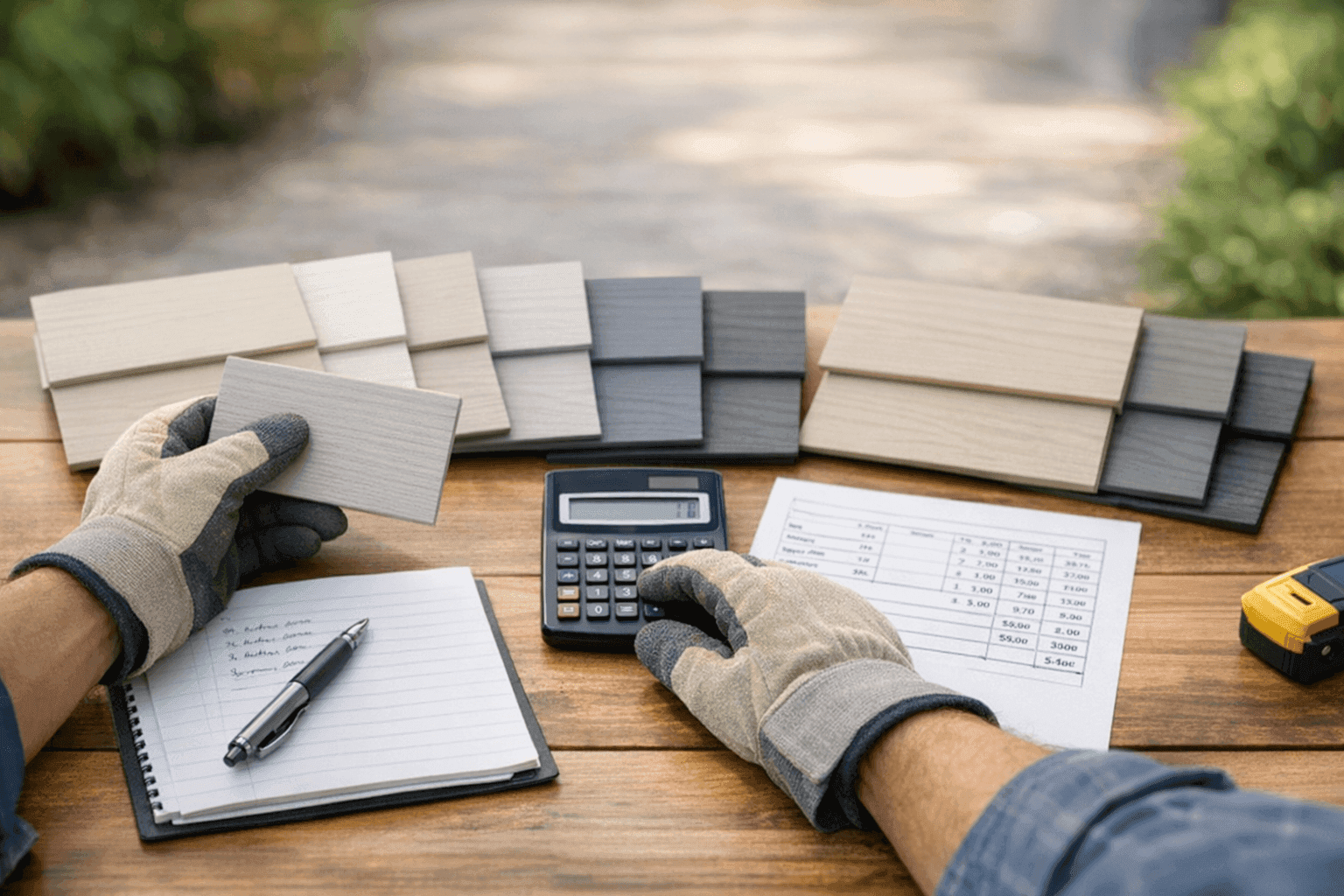
Is your home’s exterior starting to look tired, worn, or just a little out of date? If you’re considering a siding replacement, you’re not alone. For many homeowners and property managers, the process can feel like standing at the base of a mountain—exciting but daunting, especially when it comes to setting a budget.
At POM Siding, we know that a well-planned siding project can give your property a fresh look, boost its value, and even help lower energy bills. But how much should you set aside? And what hidden costs should you watch out for? Let’s break it down step by step.
Estimating Project Costs
Before you dive into numbers, think of budgeting like building the frame for your house—it’s the structure that supports every decision.
Assessing the Scope
- Size and Shape: The bigger your home (or business), the higher the materials and labor costs.
- Stories and Access: Multi-story buildings, steep roofs, or tight spaces can mean more work, more equipment, and a higher bill.
- Siding Type: Vinyl, fiber cement, metal, wood, or stucco—each has its own price tag and installation needs.
Material Costs
Each siding material has pros and cons:
- Vinyl: Affordable, low-maintenance, and versatile.
- Fiber Cement: Extremely durable and fire-resistant.
- Metal: Modern look, great for both homes and commercial spaces.
- Wood: Natural charm, but needs more upkeep.
- Stucco: Classic appeal, good for certain climates.
Labor rates can vary widely, so always factor in local wage trends and complexity. For a detailed discussion, schedule a siding material consultation with our team.
Don’t Forget the Details
Siding isn’t just panels. You’ll need to budget for:
- Soffit and fascia repair near you
- Gutter repair or installation
- Trim and molding
- Flashing and weatherproofing
- Cleanup and disposal
Balancing Quality and Price 🏡
Think of your siding like a winter coat. The cheapest one might look fine for a season, but will it keep you warm and dry for years? Quality matters.
Why Quality Pays Off
- Longevity: Premium materials and skilled installation last longer.
- Energy Savings: Insulation and weatherproofing can lower utility bills.
- Fewer Repairs: Durable siding shrugs off storms and daily wear.
Tips to Stretch Your Budget
- Mix Materials: Use high-end siding on the front, more economical options elsewhere.
- Phase the Project: Replace the most damaged areas first, then tackle the rest as your budget allows.
- Consult the Pros: Professional advice can help you avoid costly mistakes. Arrange a siding inspection before you commit.
Contingency Planning: Expect the Unexpected
Hidden surprises lurk beneath old siding, just like you might find a cracked beam behind a coat of paint.
Common Surprises
- Water damage or rot
- Pest infestations
- Structural repairs needed
- Code upgrades required by local regulations
Padding Your Budget
Plan for an extra 10–20% over your initial estimate. It’s not just smart—it’s a lifeline if you hit a snag. The International Association of Certified Home Inspectors recommends this buffer for major exterior projects.
Permits and Inspections
- Permits: Local codes may require permits, especially for multi-family or commercial properties.
- Inspections: Schedule ahead to avoid delays and last-minute expenses.
Getting the Most Value 💡
Just like buying a car, you want the best features, not just the lowest price. Focus on long-term value.
Warranty and Maintenance
- Warranty: Choose materials and installers with solid warranty options.
- Maintenance: Some siding types need regular painting or sealing; others are nearly maintenance-free.
Energy Efficiency
- Consider adding insulation during replacement.
- Modern siding can improve ventilation and reduce heating/cooling costs.
Custom Solutions
- Opt for custom siding solutions if your property has unique needs or you want to stand out.
- Color consultation helps you match your style without regret.
Siding Replacement: Avoiding Common Mistakes
- Rushing the Process: Take time to review options and bids. Don’t just pick the lowest price.
- Skipping Inspection: An overlooked problem can snowball into a major repair later.
- Ignoring Weather: Schedule siding replacement during dry, mild weather for best results.
Timeline & Disruption: What to Expect
A typical siding replacement takes one to two weeks, but larger or more complex buildings may need longer. Weather and material availability can affect your schedule.
- Noise and Access: There will be some disruption. Plan ahead for parking, pets, and daily routines.
- Cleanup: Ask about debris removal and site cleanup in advance.
Siding Choices for Every Need
Whether you own a home, run a business, or manage apartments, siding options are flexible:
- Residential: Curb appeal and energy efficiency often matter most.
- Commercial: Durability and code compliance become priorities.
DIY vs. Professional Installation
You might be tempted to save by doing it yourself. For minor repairs or painting, that can work. But for full siding replacement? It’s like climbing a mountain without gear—possible, but risky. Professionals bring experience, safety equipment, and insurance.
Storm Damage and Emergency Repairs
If storms or accidents leave your siding in rough shape, prompt action is key. Emergency siding services can prevent water damage or pest invasions.
Preventative Maintenance
Regular siding cleaning, caulking, and gutter maintenance keep your exterior in top shape. Small steps now can save you thousands down the road.
Safety Checklist for Siding Projects
- Confirm your contractor is licensed and insured.
- Check that materials meet local building codes (see International Residential Code guidelines).
- Keep work areas clear of pets and kids during installation.
When to Replace, Repair, or Wait
- Replace: If siding is warped, rotted, or falling off.
- Repair: For isolated cracks, minor dents, or chipped paint.
- Wait: If siding is sound but just faded, a pro cleaning or painting may buy you a few more years.
Planning for Every Season
Spring and fall are ideal for siding work—mild weather means faster, smoother installation. In colder climates, avoid winter projects if possible.
FAQs: Siding Replacement Budgeting
How much does siding replacement usually cost?
Prices vary by material, size, and location, but most projects fall between $7,000–$23,000.
Can I finance my siding project?
Many homeowners choose financing—ask your contractor about payment options.
Are there eco-friendly siding options?
Absolutely. Fiber cement and metal siding are low-impact choices, and some vinyl products are recyclable.
What about Soffit and Fascia Repair near you?
Don’t overlook these details—they protect your roof and help your siding last.
Get Started: Your Next Steps
Ready to plan your project? Take the first step by reviewing our siding replacement services for homeowners and businesses looking for reliable siding solutions.
For tailored advice, honest pricing, and a smooth project from start to finish:
Call POM Siding now — or reach us anytime at 888-870-1065 .