How to Avoid Siding Installation Mistakes
When it comes to siding installation, mistakes are expensive. Not just in dollars, but in time, stress, and even your home’s safety. At POM Siding, we’ve seen what goes wrong—and how to get it right. Whether you’re a property manager, homeowner, or business owner, understanding the pitfalls of siding work can mean the difference between a house that weathers the years and one that’s always needing repairs.
You want your siding to last. That means careful planning, precise work, and knowing when to call in a pro. Let’s break down the most common installation errors and how you can avoid them.
Most Common Siding Installation Mistakes 🚧
Siding looks simple from the curb. But up close, there’s a world of detail that can go wrong. Here are the repeat offenders:
1. Measuring Mishaps
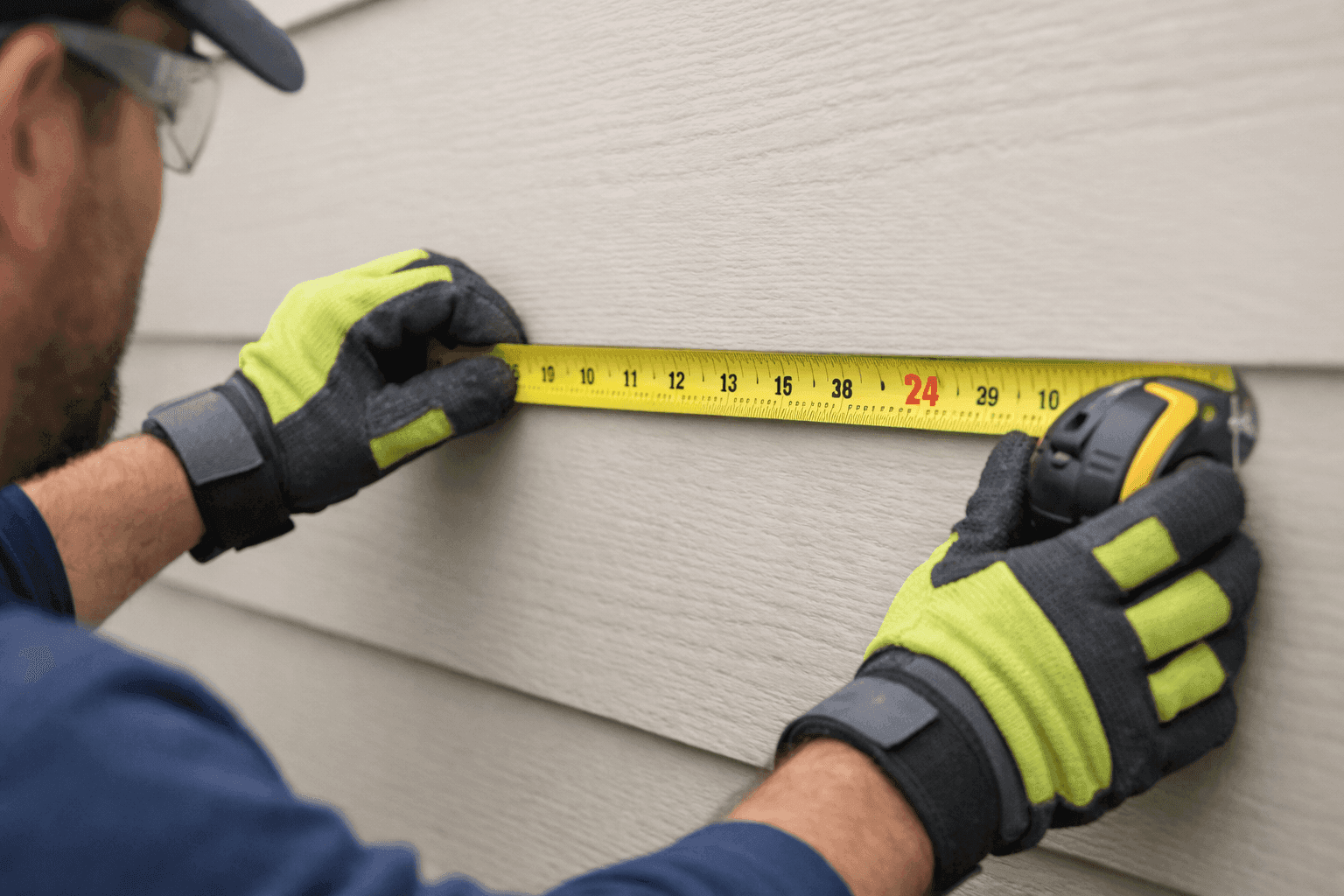
A tape measure is only as good as the person using it. Measure wrong, and panels don’t fit. Gaps or overlaps appear. Water finds its way in. It’s like building a puzzle with the wrong pieces.
2. Nailing Errors
Too tight, and the siding can’t expand or contract. Too loose, and panels rattle or even blow off. Nails driven at the wrong angle leave the siding vulnerable to the wind and weather.
3. Flashing Fumbles
Flashing is the unsung hero that keeps water out. Miss a spot or install it crooked, and leaks sneak behind your siding. Over time, you could be facing rot, mold, or worse.
4. Alignment Issues
Crooked siding isn’t just an eyesore. It lets water pool and freeze, or slip behind panels. Even a slight tilt can throw off the whole wall, especially on longer runs.
5. Ignoring Manufacturer Guidelines
Every material—vinyl, fiber cement, wood, metal—has its own set of rules. Skip the manual and you risk voiding warranties or violating local building codes.
6. Skipping the Prep
Installing over old, damp, or damaged surfaces is like painting over a wet wall. Problems underneath will work their way out, fast.
7. Poor Ventilation
Neglecting soffit and fascia installation or skipping vents means trapped moisture. That leads to swelling, warping, and mold—especially in climates with big temperature swings.
8. Bad Caulking and Sealing
Caulk is your last defense. Miss a seam, and water creeps in. Overdo it, and siding can’t move as it should.
9. Wrong Material for the Job
Not all siding is created equal. Wood in a wet climate? Recipe for rot. Metal with no insulation in a cold zone? Prepare for drafts.
10. Rushing the Job
Siding takes patience. Cutting corners to save time just means more repairs later.
How to Prevent Each Mistake
Avoiding these pitfalls isn’t luck—it’s process. Here’s how the pros at POM Siding make sure your siding job stands the test of time.
Double-Check Every Measurement
- Measure twice, cut once. Then measure again.
- Use story poles or laser levels for long runs.
- Compare every measurement to the manufacturer’s specs—don’t guess.
Nail with Precision
- Follow manufacturer spacing and depth guidelines.
- Nails should be snug but allow for movement.
- Use corrosion-resistant nails, especially for metal and fiber cement siding.
Install Flashing the Right Way
- Overlap flashing at joints and corners.
- Direct water away from windows, doors, and seams.
- Consult the International Residential Code (IRC) for flashing details.
Keep It Level and Plumb
- Snap chalk lines before you start.
- Check alignment every few panels—don’t wait until the end.
- Use a level, not just your eye.
Read the Manual (Seriously)
- Each product has unique requirements for spacing, fasteners, and prep.
- Ignoring these can void your warranty or fail inspections.
Prep the Surface Thoroughly
- Remove damaged or rotten sheathing.
- Install a weather-resistant barrier.
- Repair any framing issues before siding goes up.
Ventilate Properly
- Plan soffit and fascia installation with airflow in mind.
- Use vented panels or install separate vents as required.
- Check local codes—proper ventilation is not just best practice, it’s often mandatory.
Caulk and Seal with Care
- Use high-quality, paintable exterior caulk.
- Apply only where needed—typically at joints, trim, and penetrations.
- Allow for siding movement; don’t seal moving joints tight.
Choose the Right Material
- Match siding to your climate and building type.
- Consult with a siding material specialist if unsure.
- Consider eco-friendly options for long-term savings.
Don’t Rush—Schedule Smartly
- Allow time for each step, especially during wet or cold seasons.
- If storms or temperature drops are forecast, reschedule.
- Rushed jobs are rarely good jobs.
Professional Installation Advantages ⚒️
Why call POM Siding? Because mistakes are costly—sometimes invisible until it’s too late. Here’s what our team brings to your project:
- Deep knowledge across materials: vinyl, fiber cement, metal, wood, and stucco.
- Precision tools for measuring, cutting, and installing.
- Up-to-date on code and safety requirements (refer to the National Association of Home Builders for more).
- Access to advanced solutions like siding weatherproofing, insulation, and flashing repair.
- Full service for both residential and commercial siding, plus emergency siding services.
We also provide thorough siding consultation to help you select and plan your project, from color consultation to material choice.
Quality Check After Install
Even with meticulous work, a post-install check is vital. Here’s a quick checklist to use before you sign off:
- Visual inspection: Are all panels straight, snug, and free of gaps?
- Touch test: Gently press on panels—do they flex, rattle, or feel loose?
- Water test: After rain or a gentle hose spray, check inside for leaks.
- Trim and flashing: Are all edges covered and flashed properly?
- Ventilation: Are soffit and fascia vents clear, with no blockages?
- Sealant: Inspect caulking for full coverage and smooth finish.
We also offer siding material consultation if you’re unsure about your current setup or planning an upgrade.
Quick Safety Checklist
- Wear gloves and safety glasses.
- Watch for sharp edges on metal or fiber cement.
- Use stable ladders or scaffolding—never overreach.
- Confirm power tools are in good working order.
- Always follow local building codes and OSHA safety guidelines.
DIY vs. Call a Pro
Siding can look straightforward, but the details are tricky. If you’re handy, small repairs or cleaning might be manageable. But for full siding replacement, soffit and fascia repair near you, or anything involving flashing and insulation—it’s often safer (and smarter) to bring in professional installers.
Signs Your Siding Needs Help
- Warped, cracked, or loose panels
- Moisture stains or mold inside your home
- Paint peeling or bubbling on interior walls
- Drafts or rising energy bills
If you notice these, don’t wait. Siding problems rarely fix themselves. Check out our detailed Aspen Hill siding repair guide for more insights on addressing major siding issues.
Timeline and Disruption
How long does siding replacement take? For an average home, expect a week or two, depending on weather and complexity. Commercial projects may take longer. Plan for some noise, debris, and a few blocked entrances, but a professional crew will minimize disruption.
Seasonal Considerations
Siding goes up best in mild, dry weather. Extreme cold can make materials brittle; heat can cause expansion. If you must install during tough seasons, allow extra time for acclimation and use materials suited to the climate.
Maintenance to Prevent Future Mistakes
- Clean siding annually—gently, with low pressure.
- Re-caulk seams and joints every few years.
- Inspect soffit, fascia, and flashing each spring and fall.
- Schedule professional inspections for storm damage or after major weather events.
Emergency? Here’s What to Do
If siding is ripped off in a storm or you spot water pouring in, act fast:
- Cover exposed areas with plastic sheeting or tarps.
- Call for emergency siding services.
- Document damage for insurance purposes.
Final Thoughts
Getting siding right means sweating the details. Measuring, nailing, flashing, alignment—it all adds up to a job done well, or a headache waiting to happen. Whether you’re planning a new installation, looking for siding replacement, or just want a second opinion, POM Siding is here to help.
Call POM Siding now — or reach us anytime at 888-870-1065 .