Annual Siding Maintenance for Commercial Buildings
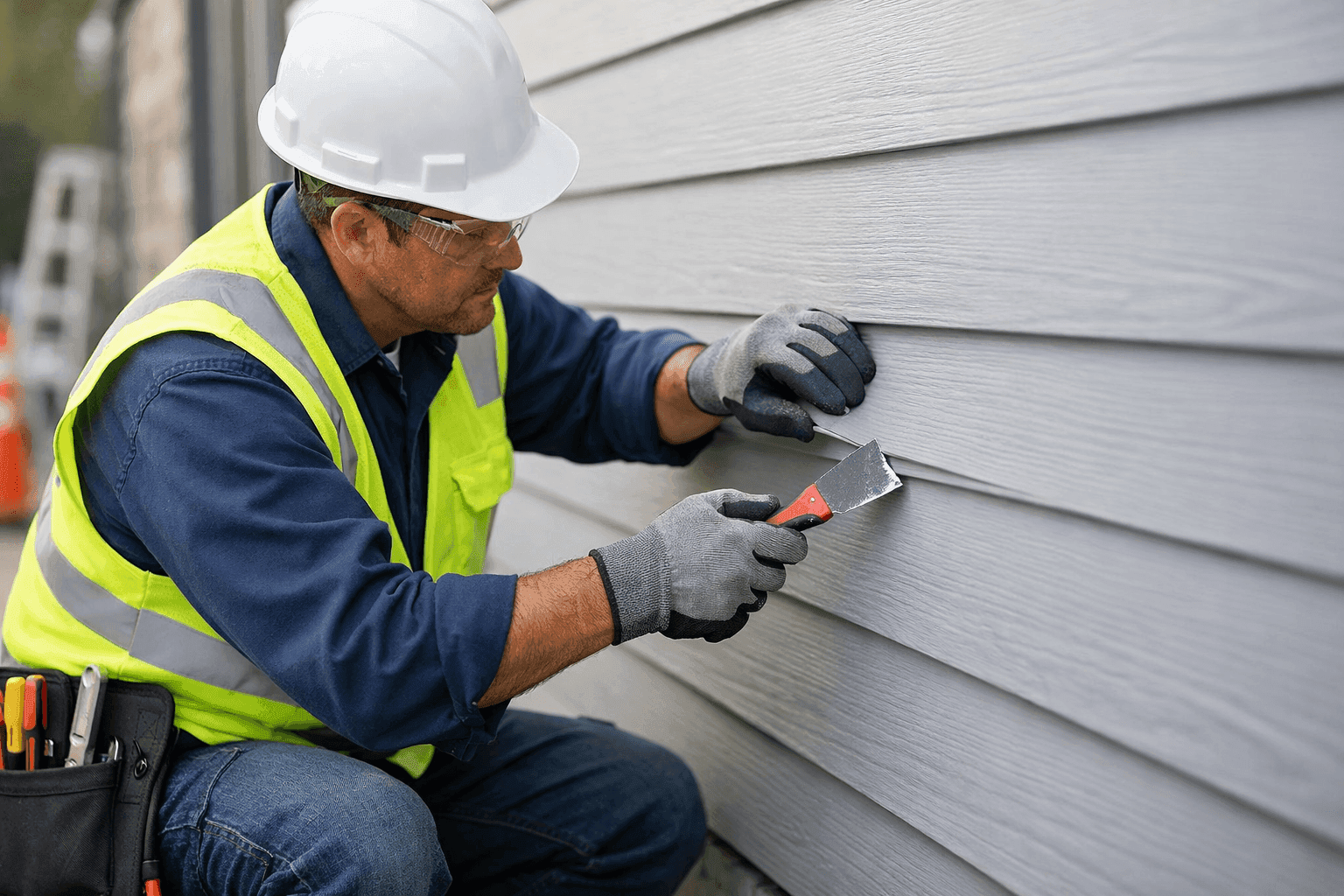
Every commercial building stands as a symbol of your business. But even the most impressive structure can lose its edge if siding is neglected. Storms, sun, and everyday wear don’t take a break—and neither should your maintenance routine.
At POM Siding, we’ve seen how proactive care not only extends the life of commercial siding but also protects your investment and reputation. Let’s break down what annual siding maintenance looks like, why it’s crucial, and how you can keep your property looking sharp all year.
Annual Siding Inspection for Businesses 🕵️
Think of an annual siding inspection like a yearly checkup for your building. Neglected cracks or loose panels can quickly snowball into major headaches. That’s why business owners should schedule thorough inspections—ideally before harsh weather hits.
What our pros look for:
- Warped, cracked, or missing siding pieces
- Loose or rusty fasteners
- Mold, mildew, or water stains
- Damaged soffits, fascia, or trim
- Signs of pest or insect activity
We recommend a full walkthrough, top to bottom. This includes checking transition areas, corners, and anywhere water could sneak in. If you’re searching for “Soffit and Fascia Repair near you,” make sure your inspection covers those trouble spots, too.
For more on what a professional inspection includes, see our siding inspection service details.
Cleaning and Repairs: Keeping Siding Fresh
Dirt, algae, and pollution cling to commercial siding like stubborn gum on a shoe. Over time, buildup not only dulls your building’s appearance but can also trap moisture and eat away at materials.
Here's a quick cleaning checklist:
- Rinse siding with a low-pressure hose or soft brush
- Use mild soap for stubborn spots (avoid harsh chemicals)
- Clear gutters and downspouts
- Remove debris from soffits and fascia
Small repairs make a big difference. Replace cracked panels, patch holes, and seal gaps before they let water seep in. If you spot rust or corrosion on metal siding, address it right away. For wood, keep an eye out for rot or peeling paint.
Need help with regular upkeep? Our siding maintenance plans are tailored for busy property managers.
Compliance and Safety Checks ✅
Building codes and safety standards aren’t just red tape—they’re there to protect people and property. The International Building Code (IBC) and local guidelines lay out clear rules for siding materials, installation, and fire resistance.
During annual maintenance, check for:
- Proper siding clearances from the ground
- Fire-rated materials where required
- Secure, undamaged flashing around windows, doors, and rooflines
- Safe, unobstructed soffit vents for attic airflow
If your building is in a high-wind or storm-prone zone, confirm fasteners and panels are rated for local conditions. Ignoring compliance can lead to costly fines or insurance headaches down the road.
Maintaining Appearance and Value 💼
Curb appeal isn’t just for homes. For businesses, first impressions matter—a lot. Faded, dirty, or damaged siding sends the wrong message to customers and tenants.
To keep your building looking sharp:
- Schedule annual power washing (use caution on delicate materials)
- Touch up paint and caulk as needed
- Refresh trim and molding for a polished finish
- Replace mismatched or outdated panels for a cohesive look
Regular upkeep helps preserve property value and can boost rental or resale appeal. Think of it as dressing your building for success.
Signs of Siding Trouble
Catch issues early, and you’ll save serious money. Here are red flags to watch for:
- Bubbling, peeling, or warped siding
- Gaps at seams or corners
- Visible mold or mildew
- Sagging soffits or fascia boards
- Water stains or interior leaks
If you notice any of these, act quickly. Early repairs cost far less than full replacement.
DIY vs. Calling a Pro
Some cleaning and visual checks are great DIY tasks. But climbing ladders, handling repairs, or working with specialty materials (like fiber cement or metal) is best left to trained technicians.
Pros bring:
- Safety equipment and experience
- Knowledge of code and manufacturer guidelines
- Warrantied repairs and long-term solutions
If your building has complex siding systems or is more than two stories, play it safe and call for help.
What to Expect When Pros Arrive
A professional siding maintenance team comes prepared. Here’s what a typical visit looks like:
- Full exterior assessment
- Detailed inspection report
- Recommendations for immediate repairs
- Preventive maintenance (caulking, sealing, minor fixes)
- Cleanup and final walkthrough
You’ll get peace of mind—and a clear plan for anything that needs follow-up.
Prevention & Maintenance Tips
Stay ahead of problems with these quick strategies:
- Trim trees and shrubs near siding to prevent scratches or mold
- Check gutters and downspouts after storms
- Schedule seasonal inspections (especially after harsh weather)
- Keep records of maintenance and repairs
Treat your siding like armor for your business. The better you care for it, the longer it will protect your investment.
Seasonal Considerations
Spring and fall are ideal for inspections and deep cleaning. Why? Winter can hide damage under snow and ice, while summer sun can fade or warp certain materials. Early detection in milder weather makes repairs easier and less disruptive.
Common Mistakes to Avoid
- Ignoring small cracks or holes
- Using the wrong cleaning products (harsh chemicals can damage finishes)
- Blocking soffit vents during repairs
- Skipping annual inspections
These missteps may seem minor but can cause big headaches later.
Timeline & Disruption: What to Expect
Worried about downtime? Most annual maintenance tasks take a day or less for an average-sized building. Larger or multi-tenant properties may need more time, but scheduling during off-hours or weekends can minimize business disruption.
Siding Materials and Equipment
Commercial buildings use a range of siding types: vinyl, metal, fiber cement, stucco, wood, and more. Each material has its own quirks, so make sure your maintenance team understands the specifics.
Key equipment includes:
- Extension ladders or lifts
- Soft-bristle brushes and gentle detergents
- Caulking guns and sealants
- Replacement panels and fasteners
If your building uses eco-friendly siding, follow manufacturer guidance for cleaning and repairs.
Siding and Storm Damage
Mother Nature doesn’t always play nice. After severe weather, inspect siding for impact damage, water stains, or loose panels. Fast action can prevent small issues from turning into big repairs.
For emergency help, our team is ready 24/7 with emergency siding services.
Siding, Insulation, and Energy Efficiency
Properly maintained siding does more than look good—it keeps energy bills in check. Damaged or loose panels let air and water in, which strains HVAC systems and can lead to mold inside walls.
Annual checks ensure insulation and weatherproofing stay effective, helping you save on operating costs.
Siding Maintenance FAQ
How often should I inspect my commercial siding?
At least once a year, with additional checks after major storms or renovations.
Can I pressure wash my siding?
Gentle washing is safe for most materials, but always check manufacturer guidelines. Too much pressure can cause damage, especially to older or wood siding.
What’s the most common cause of siding failure?
Water infiltration from failed caulking, loose panels, or clogged gutters.
Do you service locations near me?
Absolutely. For high-quality siding repair and maintenance, see our Waterloo siding services.
Protect Your Business, Year After Year
Siding isn’t just a shell—it’s your building’s first line of defense. Regular maintenance means fewer surprises, lower costs, and a building that always looks ready for business. Don’t let minor issues grow into major repairs.
Call POM Siding now — or reach us anytime at 888-870-1065 .